Moksha
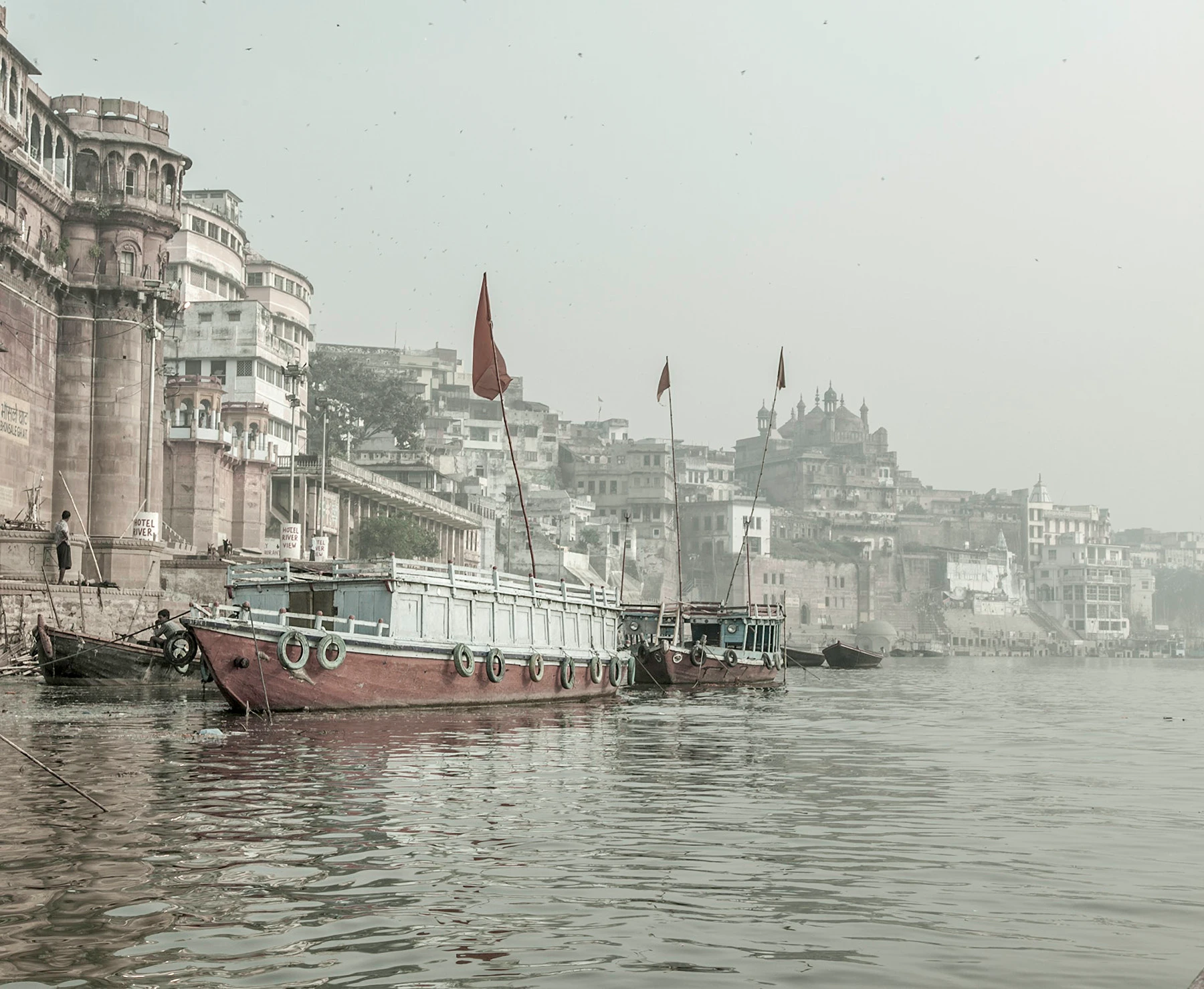
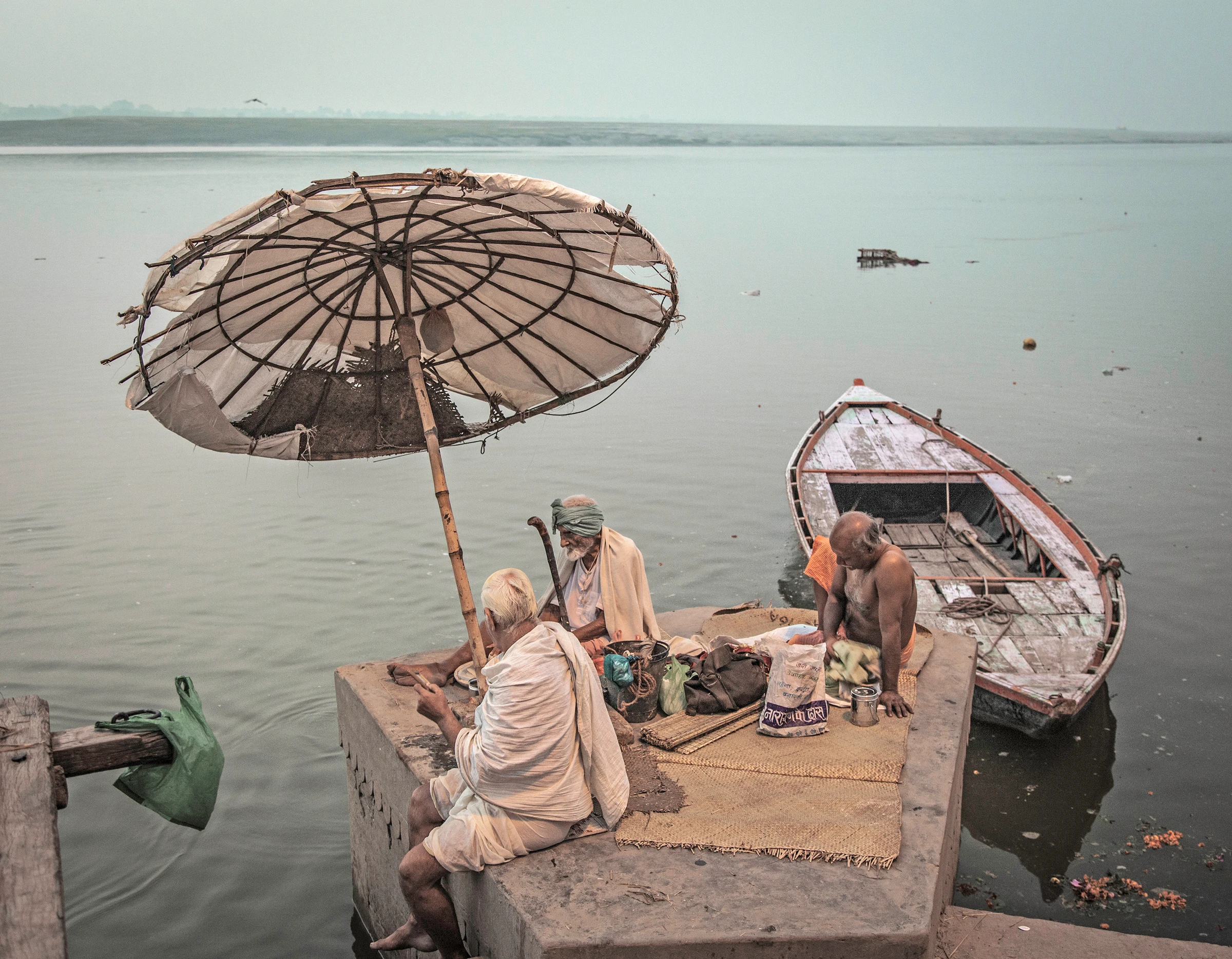
Situada a orillas del Ganges, Varanasi no es simplemente una ciudad: es el lugar donde la vida y la muerte conviven. Cada año, millones de peregrinos acuden a sus ghats con un propósito compartido: alcanzar el moksha, la liberación definitiva del alma del ciclo de reencarnaciones, el samsara.
+ más información — menos información
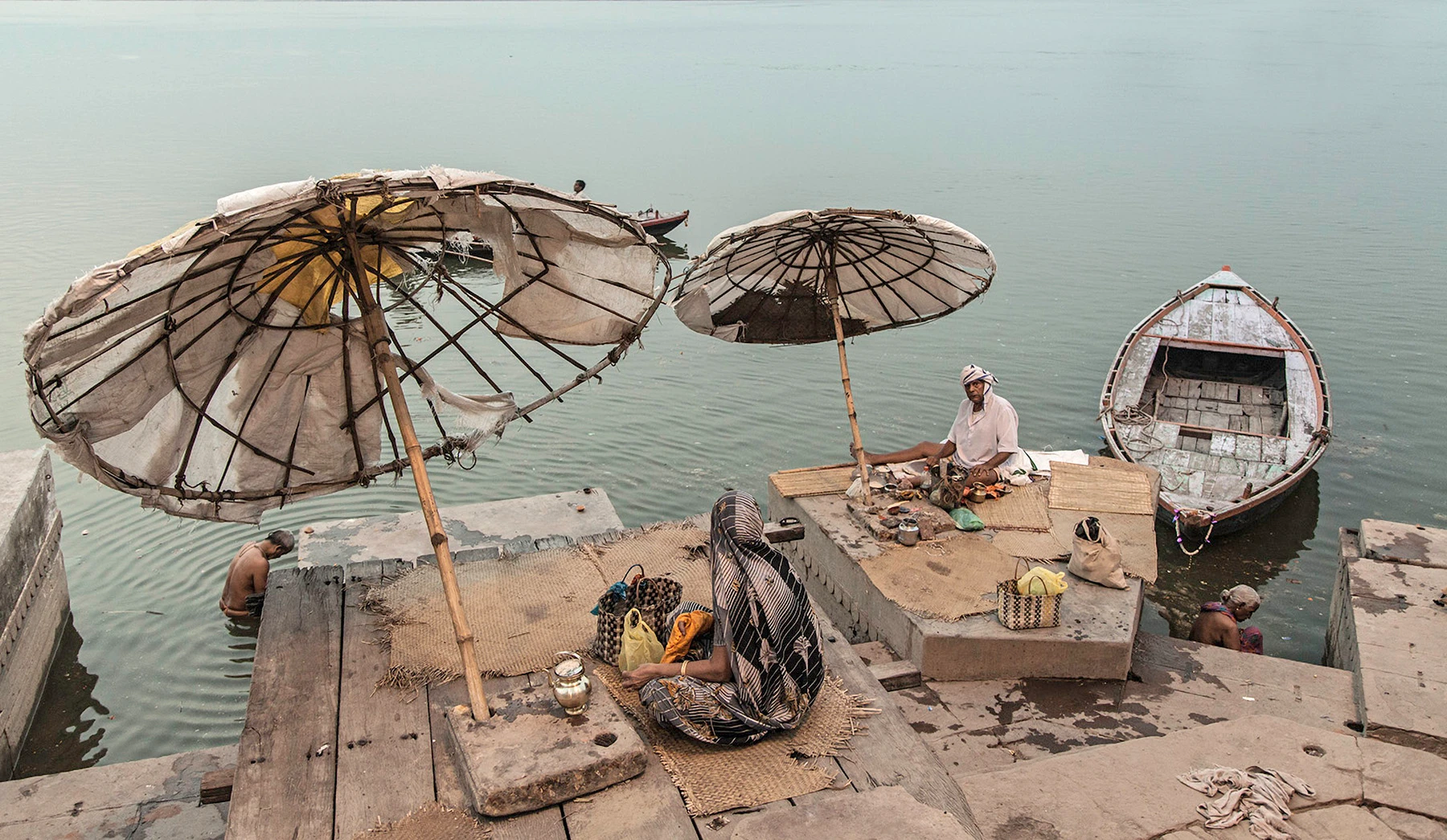
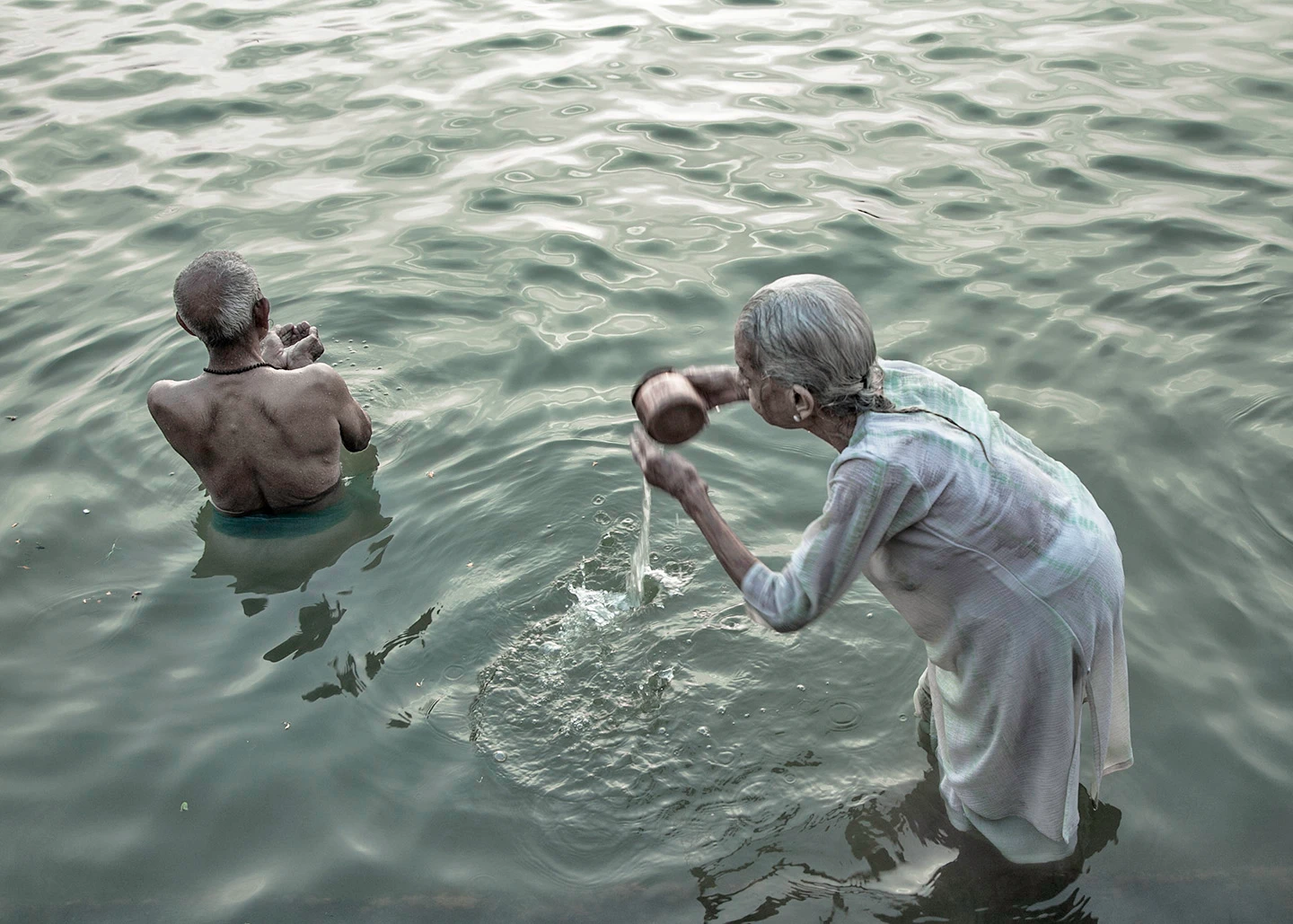
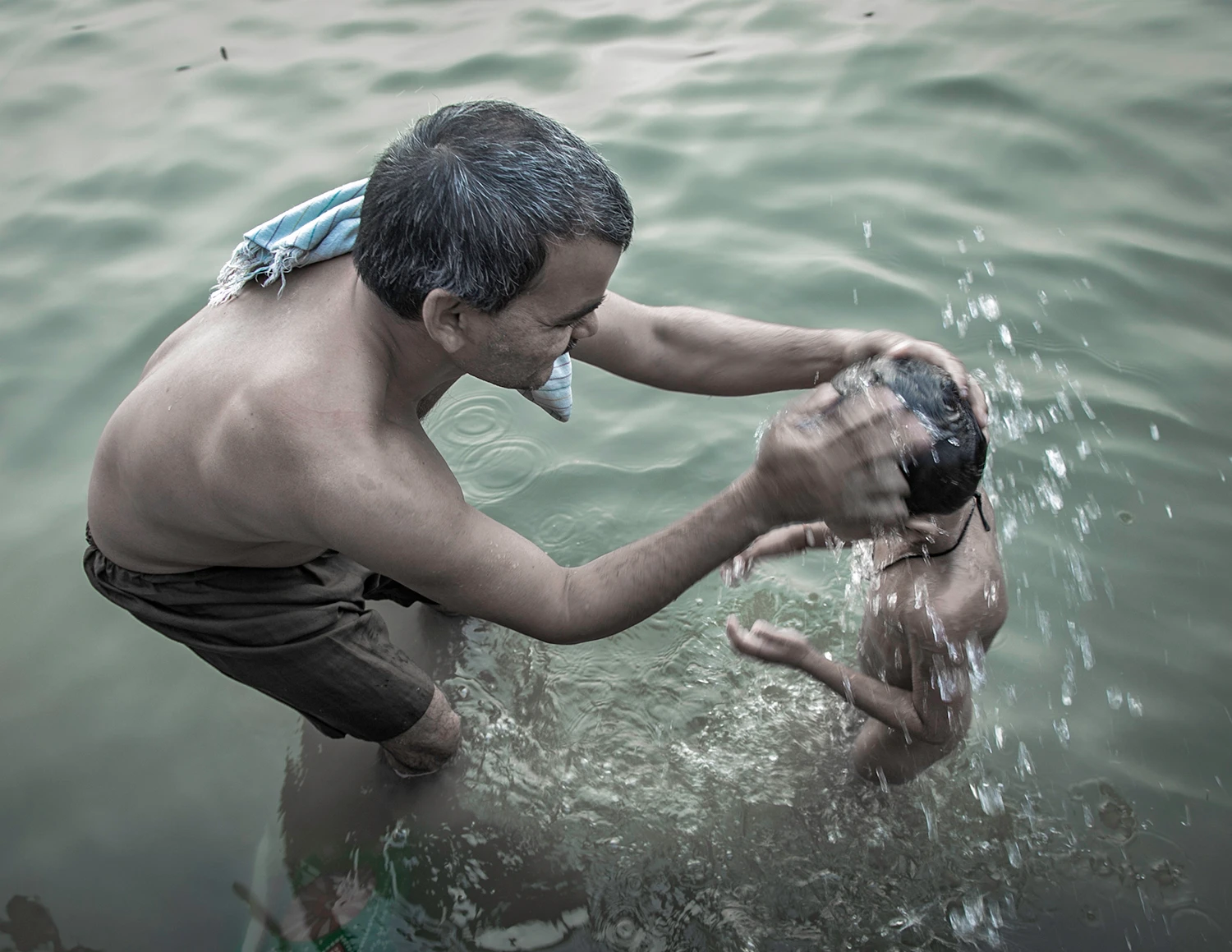
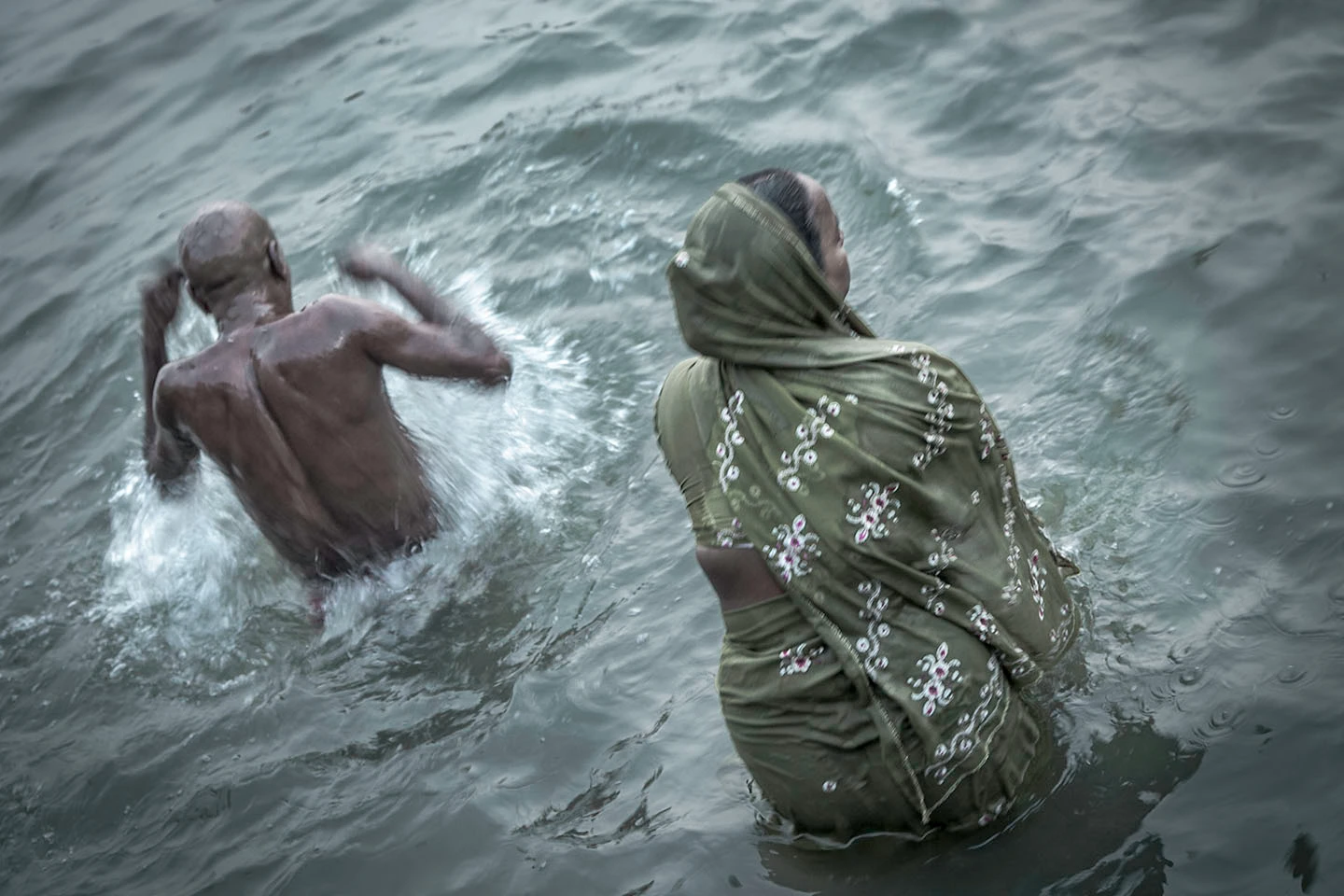
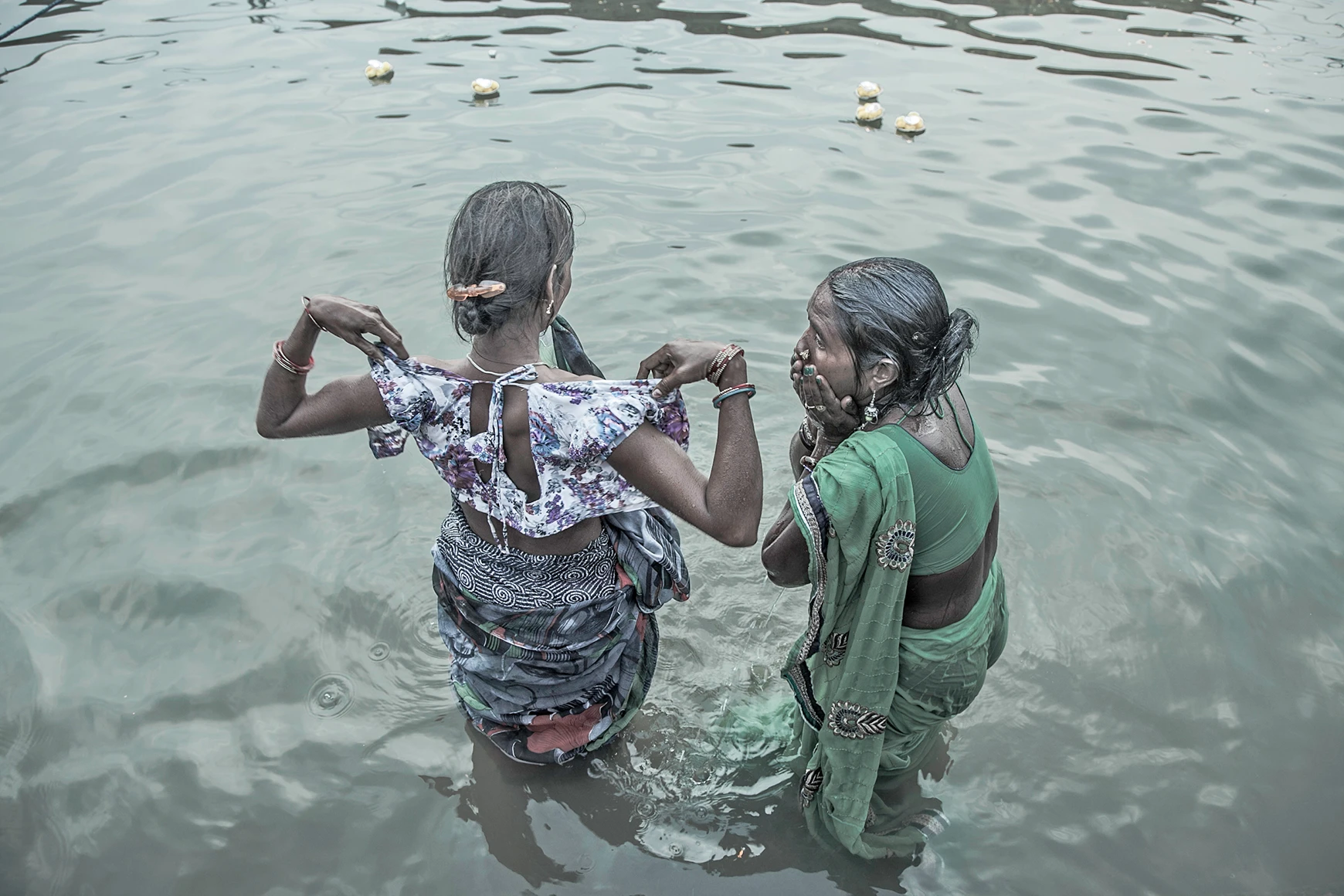
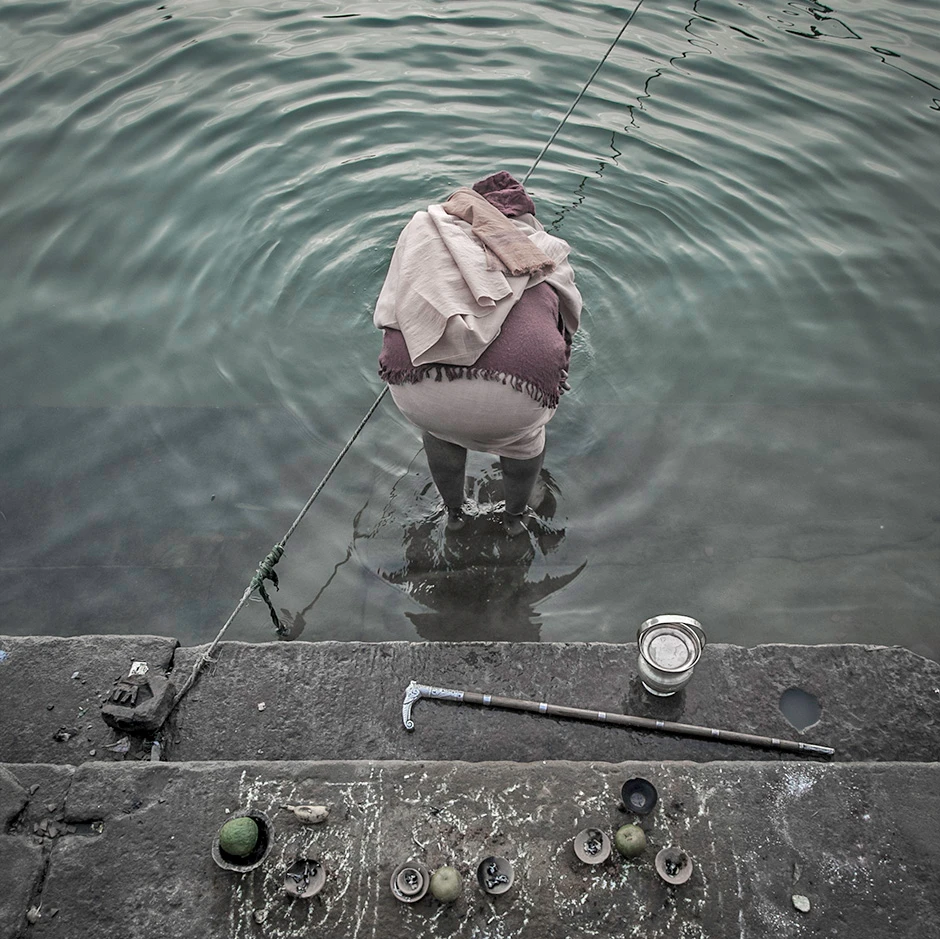
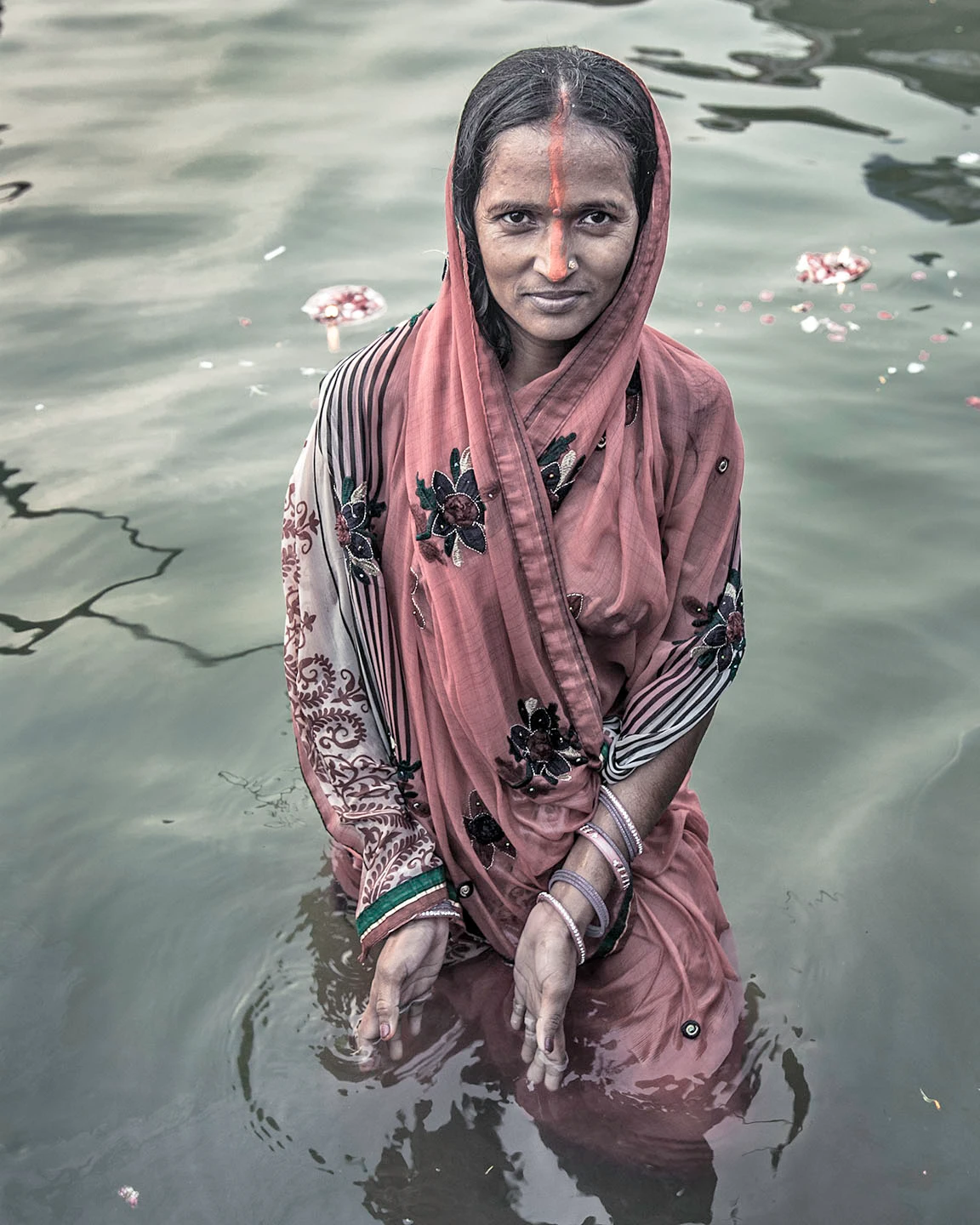
Al amanecer, miles de peregrinos descienden por los ghats portando flores de caléndula y vasijas de arcilla. Se sumergen hasta la cintura susurrando mantras, alzan las manos hacia el sol naciente con la ofrenda del arghya, un gesto de gratitud, y vuelven a sumergirse tres veces. Al emerger, algo se ha ido. El agua ha arrastrado una carga invisible. Así, cada baño no es solo un acto de purificación: es una preparación del alma para que cuando llegue el momento, el cruce sea una continuación de algo que ya había comenzado en el agua.
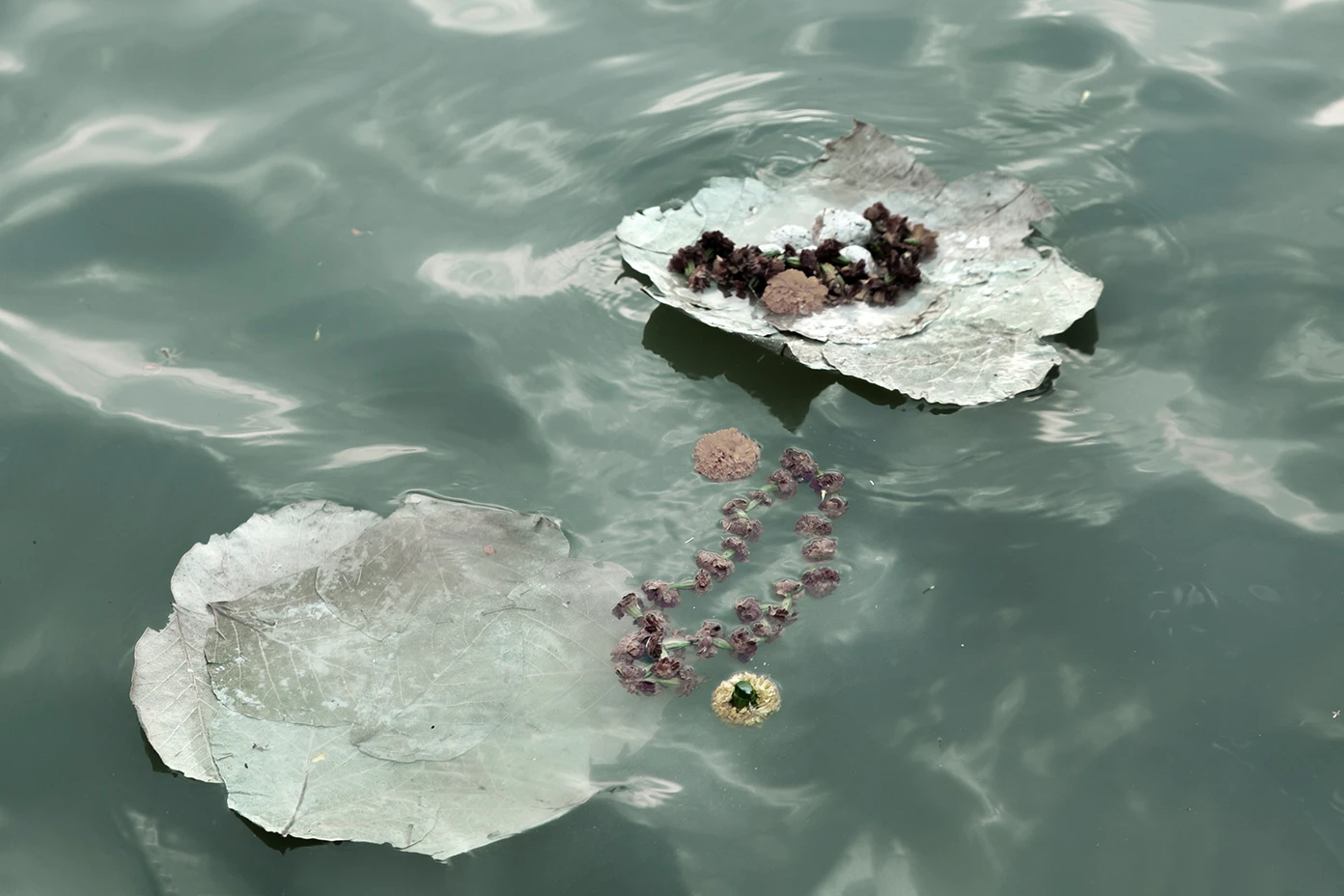
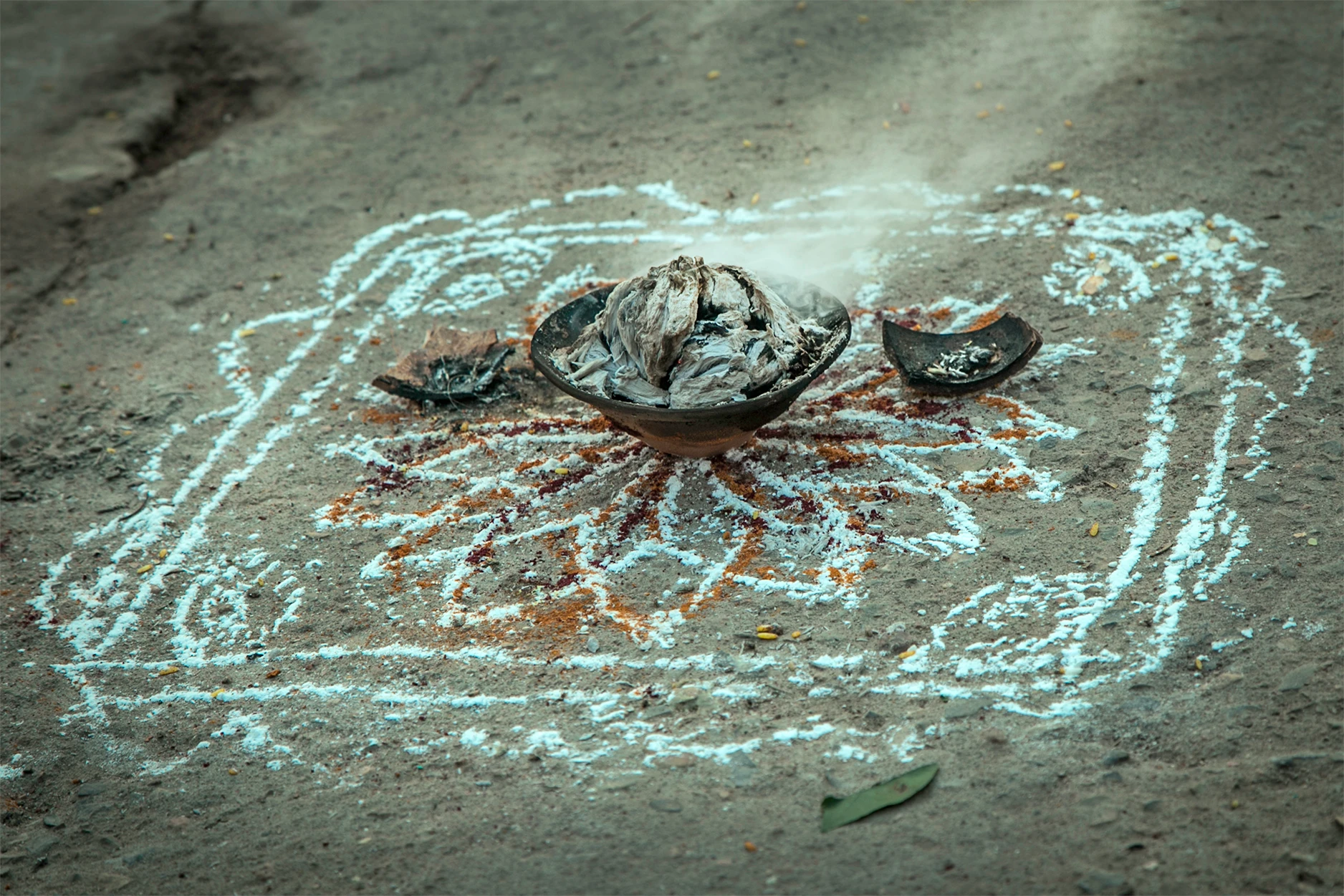
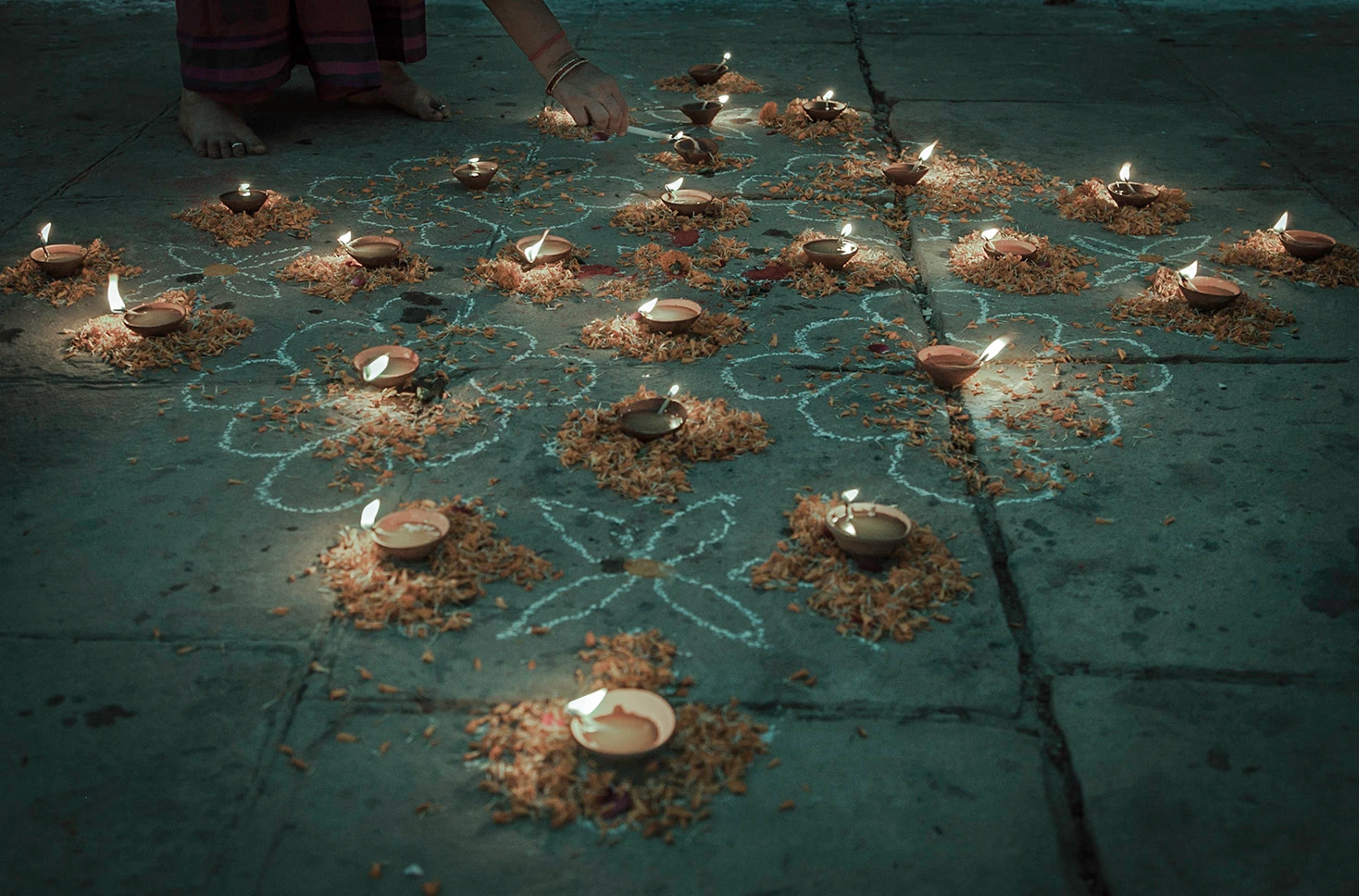
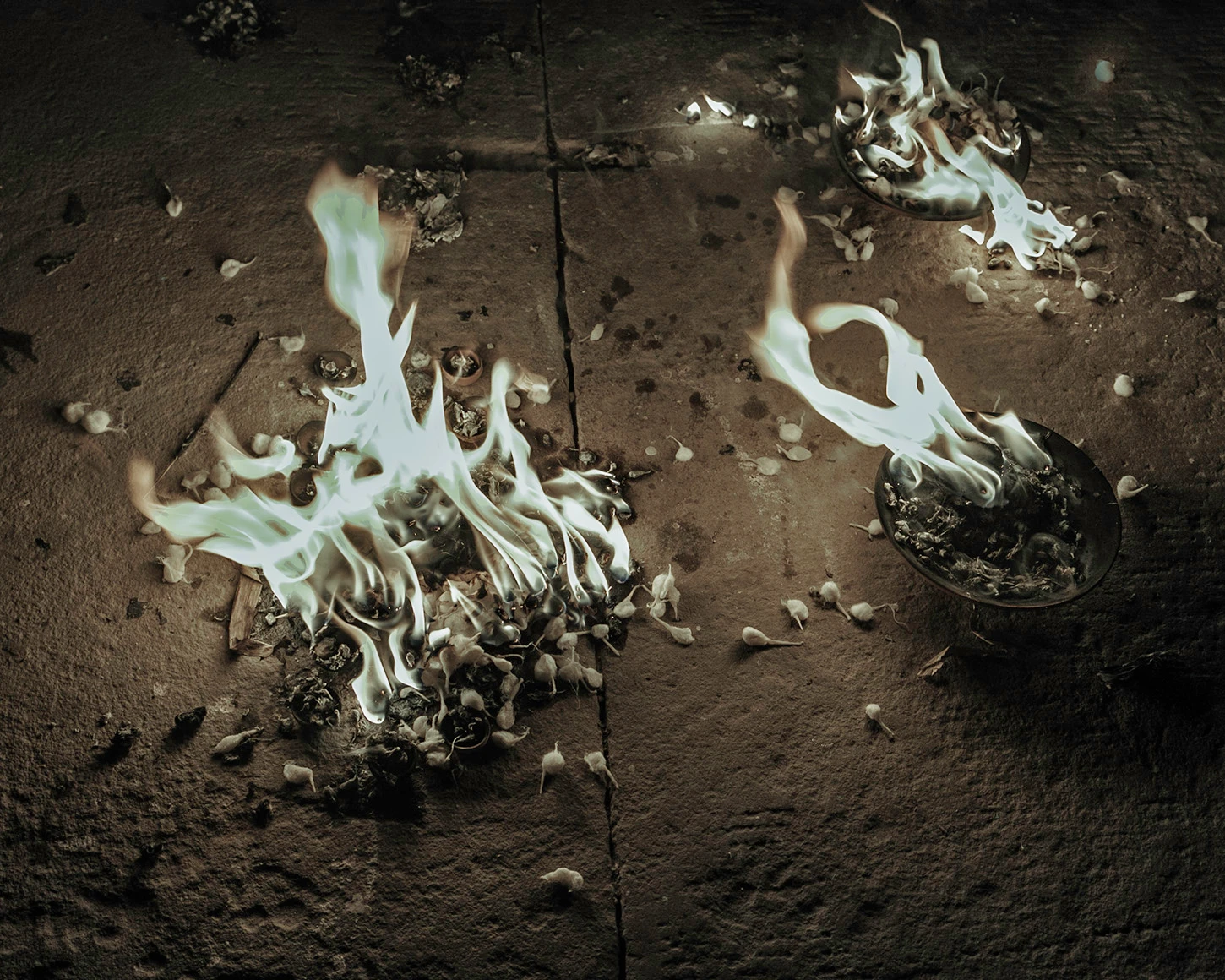
Tras el baño, los peregrinos realizan el puja. Colocan flores sobre bandejas de hojas de plátano, encienden pequeñas lámparas de aceite y las sueltan sobre las aguas. Cientos de llamas diminutas a la deriva, perdiéndose en la corriente.
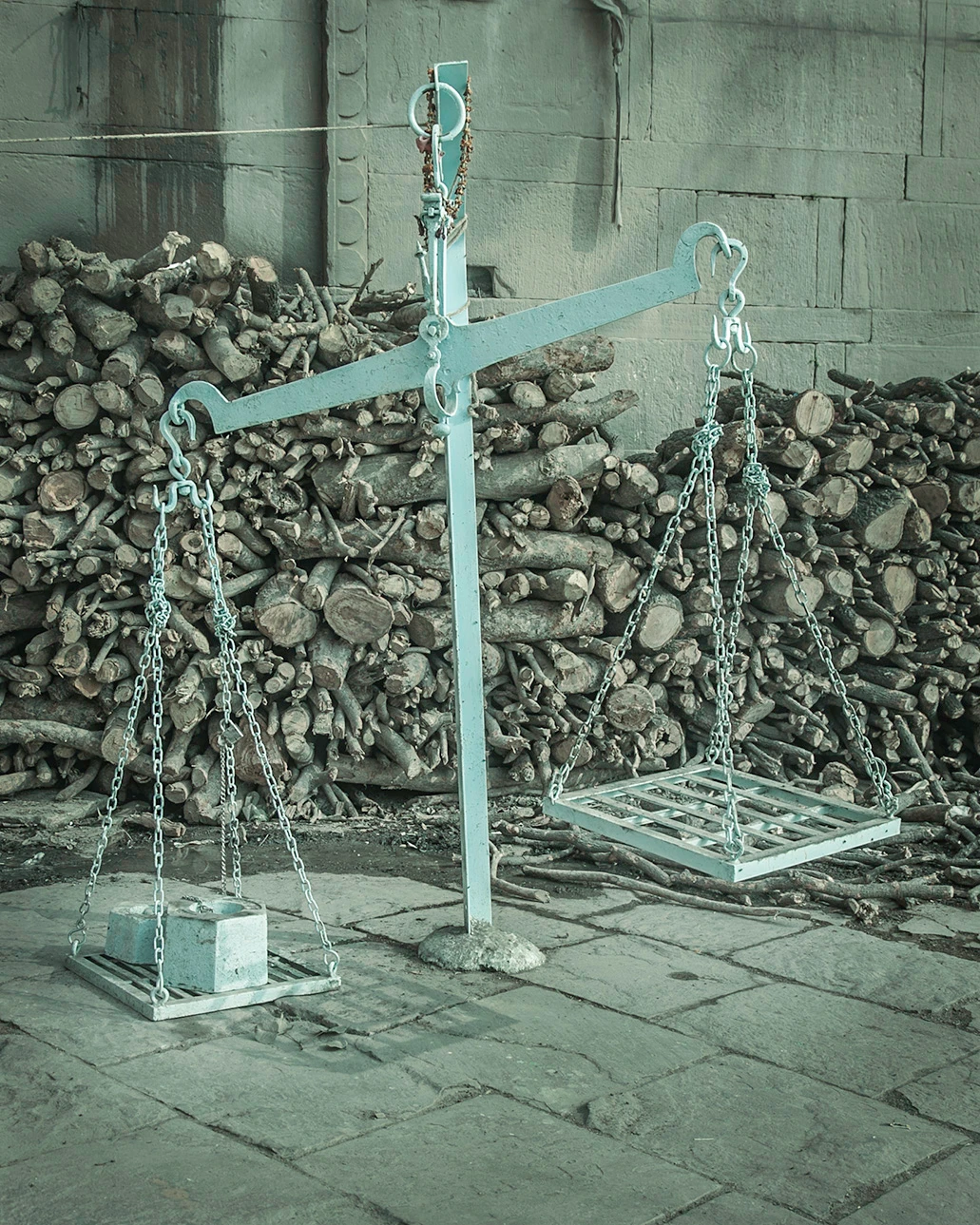
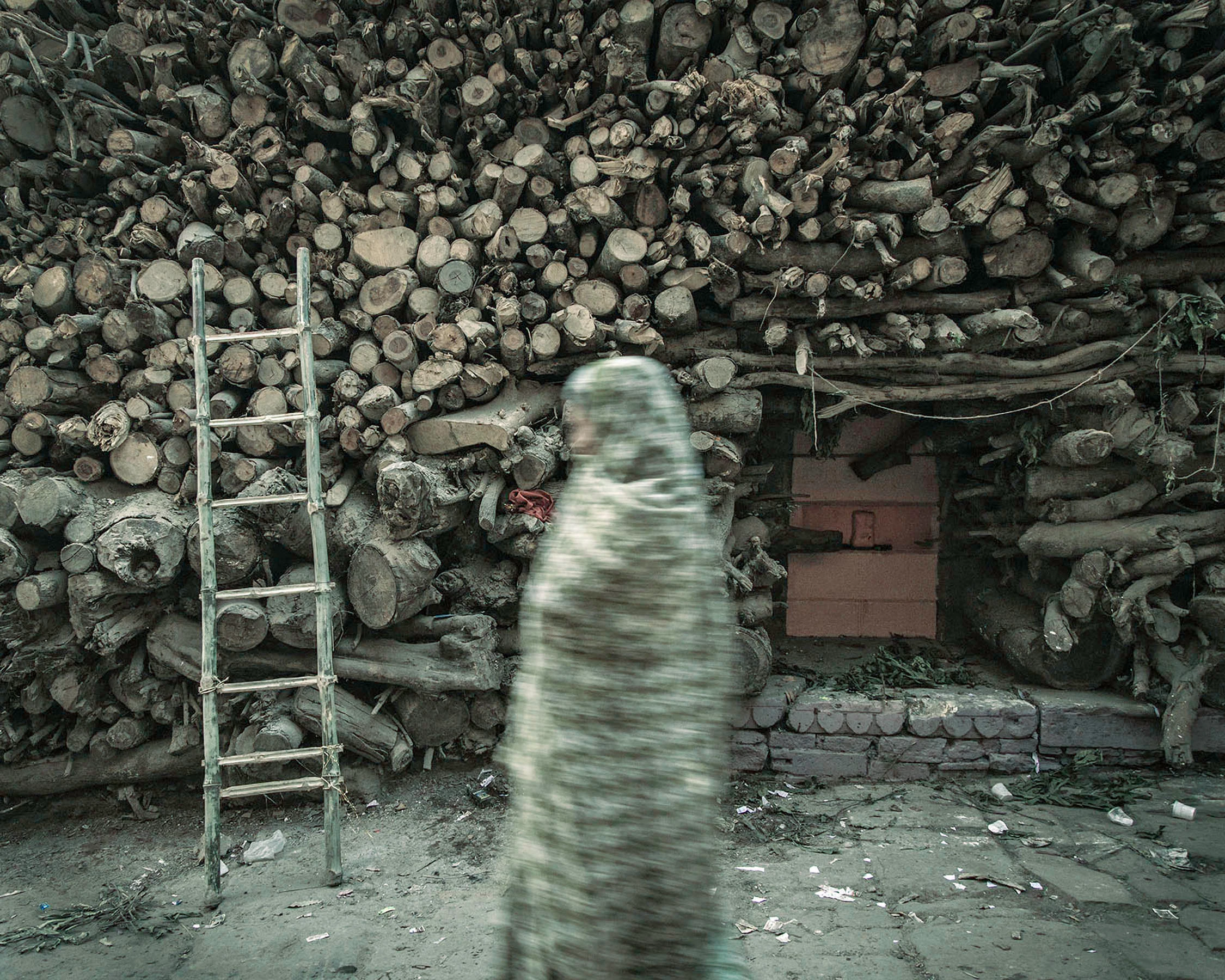
En Varanasi, purificarse y arder son actos del mismo orden. Los peregrinos entran al Ganges cargando el peso de vidas anteriores. A pocos metros, las piras arden sin pausa en los mismos ghats. El agua trabaja sobre el alma que todavía habita un cuerpo. El fuego trabaja sobre el cuerpo que el alma acaba de abandonar. Uno purifica para seguir viviendo. El otro purifica para terminar de morir.
Situated on the banks of the Ganges, Varanasi is not simply a city: it is the place where life and death coexist. Each year, millions of pilgrims make their way to its ghats with a shared purpose: to attain moksha, the soul's ultimate liberation from the cycle of reincarnation, the samsara.
At dawn, thousands of pilgrims descend the ghats carrying marigold blossoms and terracotta vessels. They wade in up to their waists, whispering mantras, raise their hands toward the rising sun with the offering of arghya — a gesture of gratitude — and submerge themselves three times. When they emerge, something is gone. The water has carried away an invisible weight. And so each immersion is not merely an act of purification: it is a preparation of the soul, so that when the moment comes, the crossing will be a continuation of something that had already begun in the water.
After bathing, the pilgrims perform the puja. They lay out flowers on trays of banana leaves, light small oil lamps, and release them onto the current. Hundreds of tiny flames drift, dissolving into the river's flow.
In Varanasi, to be purified and to burn are acts of the same order. Pilgrims enter the Ganges carrying the weight of previous lives. Just meters away, funeral pyres burn without pause on those same ghats. Water acts upon the soul that still inhabits a body. Fire acts upon the body the soul has just left behind. One purifies so that life may continue. The other purifies so that death may be complete.